Why citizen journalists are filling the accountability gap
Why citizen journalists are filling the accountability gap
Why citizen journalists are filling the accountability gap
In Rhetor's latest policy intelligence analysis of government fraud discourse, one finding stands apart from the rest. Across 13 tracked themes, only one registers positive sentiment with rising momentum: whistleblowers and citizen journalism.
The pattern is striking. Every other theme — federal prosecutions, state-level accountability, media coverage, contractor fraud — shows negative sentiment and falling momentum. Public frustration with official channels is intensifying. Yet support for those who bypass official channels entirely is surging.
This is a signal that the public has lost faith in institutional accountability and is turning to alternative mechanisms for fraud exposure.
The Minnesota Inflection Point
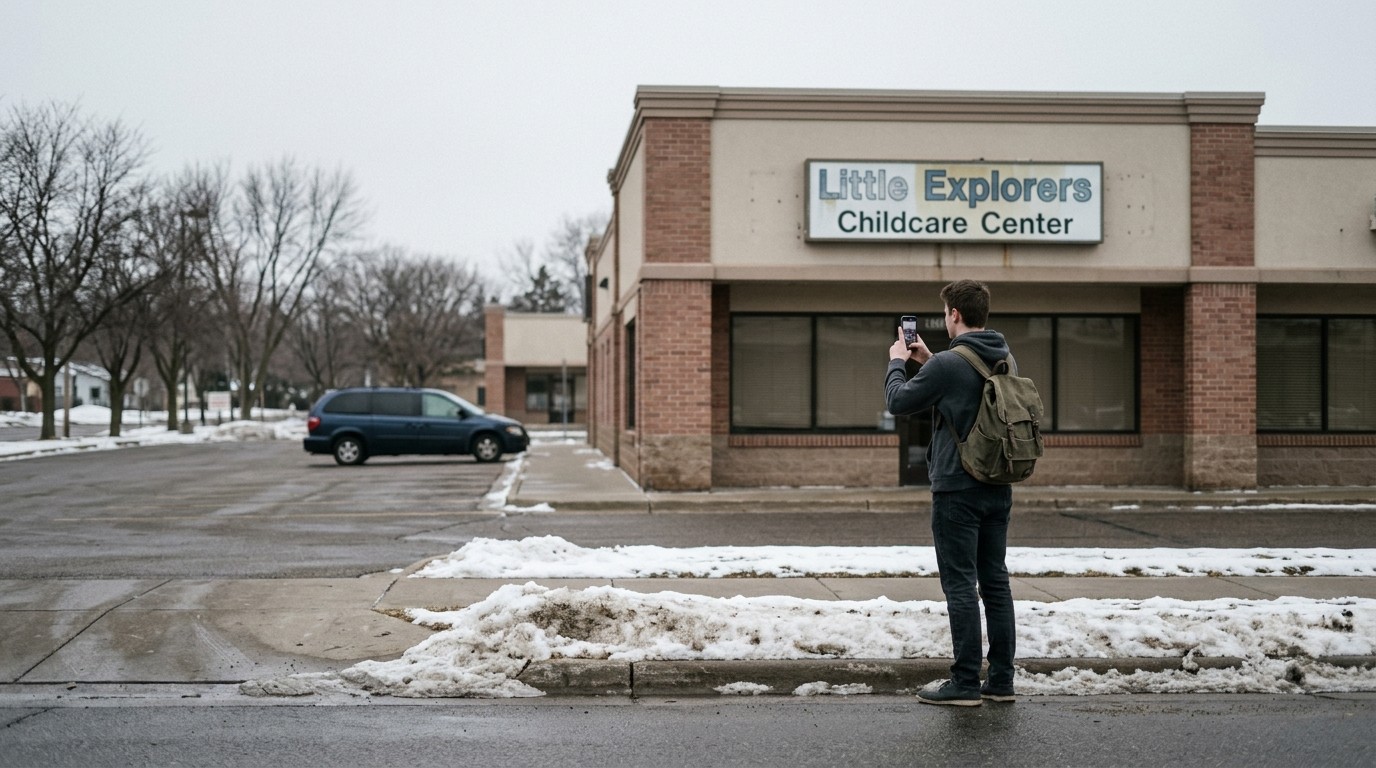
The dynamics became unmistakable in December 2025. A 23-year-old YouTuber named Nick Shirley posted a 42-minute video visiting what he alleged were fraudulent daycare centers in Minneapolis. Within days, the video had accumulated more than 116 million views on X. Vice President JD Vance commented that Shirley had "done far more useful journalism than any of the winners of the 2024 Pulitzer prizes."
The video's impact was immediate. The Department of Homeland Security deployed investigators to go door-to-door at sites Shirley had visited. The Department of Health and Human Services froze childcare payments to Minnesota pending audit. FBI Director Kash Patel acknowledged the video publicly, stating that the Bureau had "surged personnel and investigative resources to Minnesota."
Within two weeks of the video's release, Gov. Tim Walz announced he would not seek reelection, citing a desire to focus on the fraud crisis rather than campaign politics.
Official Oversight's Credibility Problem
The problem is structural. Official oversight bodies operate on bureaucratic timelines. They produce reports that enter administrative processes. They make recommendations that may or may not be implemented. The feedback loop between exposure and consequence can stretch for years.
Viral exposure operates differently. A video that accumulates 100 million views creates immediate political pressure. Elected officials must respond or face the consequence of appearing complicit. The feedback loop compresses from years to days.
The public has rendered its verdict on official oversight: insufficient. Whistleblowers and citizen journalists are filling the gap. The question now is whether institutions will adapt to support them — or continue to be bypassed entirely.
In Rhetor's latest policy intelligence analysis of government fraud discourse, one finding stands apart from the rest. Across 13 tracked themes, only one registers positive sentiment with rising momentum: whistleblowers and citizen journalism.
The pattern is striking. Every other theme — federal prosecutions, state-level accountability, media coverage, contractor fraud — shows negative sentiment and falling momentum. Public frustration with official channels is intensifying. Yet support for those who bypass official channels entirely is surging.
This is a signal that the public has lost faith in institutional accountability and is turning to alternative mechanisms for fraud exposure.
The Minnesota Inflection Point
The dynamics became unmistakable in December 2025. A 23-year-old YouTuber named Nick Shirley posted a 42-minute video visiting what he alleged were fraudulent daycare centers in Minneapolis. Within days, the video had accumulated more than 116 million views on X. Vice President JD Vance commented that Shirley had "done far more useful journalism than any of the winners of the 2024 Pulitzer prizes."
The video's impact was immediate. The Department of Homeland Security deployed investigators to go door-to-door at sites Shirley had visited. The Department of Health and Human Services froze childcare payments to Minnesota pending audit. FBI Director Kash Patel acknowledged the video publicly, stating that the Bureau had "surged personnel and investigative resources to Minnesota."
Within two weeks of the video's release, Gov. Tim Walz announced he would not seek reelection, citing a desire to focus on the fraud crisis rather than campaign politics.
Official Oversight's Credibility Problem
The problem is structural. Official oversight bodies operate on bureaucratic timelines. They produce reports that enter administrative processes. They make recommendations that may or may not be implemented. The feedback loop between exposure and consequence can stretch for years.
Viral exposure operates differently. A video that accumulates 100 million views creates immediate political pressure. Elected officials must respond or face the consequence of appearing complicit. The feedback loop compresses from years to days.
The public has rendered its verdict on official oversight: insufficient. Whistleblowers and citizen journalists are filling the gap. The question now is whether institutions will adapt to support them — or continue to be bypassed entirely.
Category
Written by

Director of Communications
Category
Written by
Director of Communications
Category
Written by
Director of Communications
Blog and articles
Latest insights and trends
Blog and articles
Latest insights and trends

Mar 16, 2026
Small PR firms spend hours assembling executive media briefs by hand. Rhetor's AI-driven monitoring and narrative forecasting can turn that daily scramble into real-time intelligence clients actually use.
Mar 3, 2026
Texas votes today, and everybody is talking about Crockett versus Talarico. We have Talarico winning across all three turnout scenarios — his positive sentiment...

Feb 27, 2026
In 2016, California voters legalized recreational cannabis under Proposition 64 with a straightforward bargain: tax the product...
Feb 24, 2026
When organized criminals steal $250 million from programs meant to feed children, what should journalists call it?

Feb 23, 2026
California’s Solar on Multifamily Affordable Housing program promised to cut electricity bills for low-income renters.

Feb 20, 2026
America’s most celebrated pollster predicted Kamala Harris would carry Iowa by three points.
Mar 16, 2026
Small PR firms spend hours assembling executive media briefs by hand. Rhetor's AI-driven monitoring and narrative forecasting can turn that daily scramble into real-time intelligence clients actually use.
Mar 3, 2026
Texas votes today, and everybody is talking about Crockett versus Talarico. We have Talarico winning across all three turnout scenarios — his positive sentiment...
Feb 27, 2026
In 2016, California voters legalized recreational cannabis under Proposition 64 with a straightforward bargain: tax the product...
Feb 24, 2026
When organized criminals steal $250 million from programs meant to feed children, what should journalists call it?
Feb 23, 2026
California’s Solar on Multifamily Affordable Housing program promised to cut electricity bills for low-income renters.
Feb 20, 2026
America’s most celebrated pollster predicted Kamala Harris would carry Iowa by three points.
Mar 16, 2026
Small PR firms spend hours assembling executive media briefs by hand. Rhetor's AI-driven monitoring and narrative forecasting can turn that daily scramble into real-time intelligence clients actually use.
Mar 3, 2026
Texas votes today, and everybody is talking about Crockett versus Talarico. We have Talarico winning across all three turnout scenarios — his positive sentiment...
Feb 27, 2026
In 2016, California voters legalized recreational cannabis under Proposition 64 with a straightforward bargain: tax the product...
Feb 24, 2026
When organized criminals steal $250 million from programs meant to feed children, what should journalists call it?
Feb 23, 2026
California’s Solar on Multifamily Affordable Housing program promised to cut electricity bills for low-income renters.
Feb 20, 2026
America’s most celebrated pollster predicted Kamala Harris would carry Iowa by three points.
Ready To Shape The Narrative?
" height="151.89999999999986px" id="JQyS1c4YN" width="630.5px"/></svg>)
AI powered tech for campaigns, lobby groups, and advocacy organizations. Get the information edge with speed your opponents can't match.
Copyright © 2026 Rhetor. All rights reserved.
Rhetor® is a Trademark of To The Moon Labs, Inc.
Ready To Shape The Narrative?
AI powered tech for campaigns, lobby groups, and advocacy organizations. Get the information edge with speed your opponents can't match.
Copyright © 2026 Rhetor. All rights reserved.
Rhetor® is a Trademark of To The Moon Labs, Inc.
Ready To Shape The Narrative?
AI powered tech for campaigns, lobby groups, and advocacy organizations. Get the information edge with speed your opponents can't match.
Copyright © 2026 Rhetor. All rights reserved.
Rhetor® is a Trademark of To The Moon Labs, Inc.