The scoreboard doesn’t lie: How AI outperformed polling’s best in 2024
The scoreboard doesn’t lie: How AI outperformed polling’s best in 2024
The scoreboard doesn’t lie: How AI outperformed polling’s best in 2024
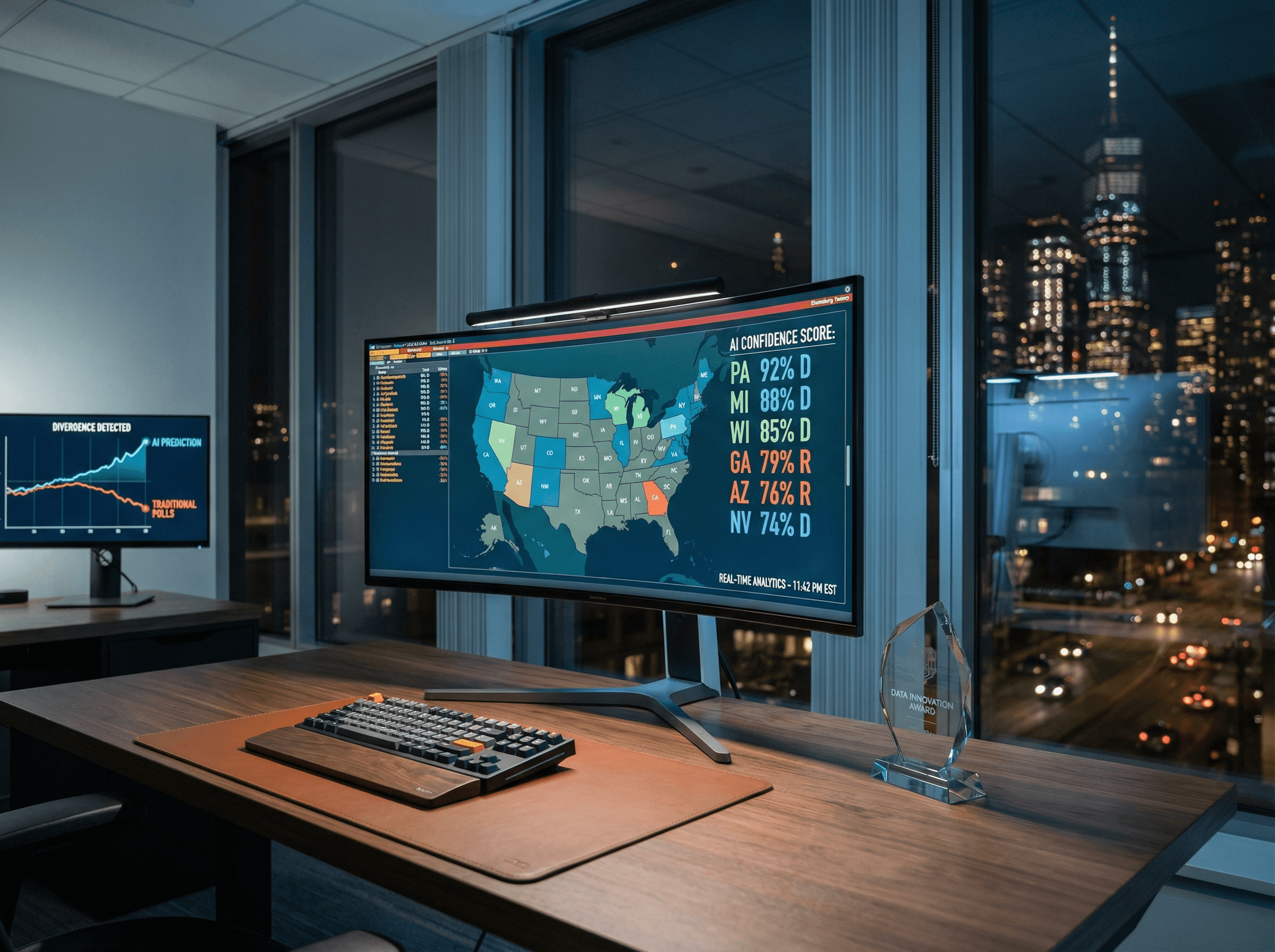
America’s most celebrated pollster predicted Kamala Harris would carry Iowa by three points. An AI platform built by a former Trump digital operative predicted Donald Trump would win 49 of 50 states. On election night, Trump took Iowa by 13 — a 16-point miss for the pollster. The AI nailed nearly every call on the map.
That wasn’t a fluke. It was a verdict on two fundamentally different approaches to measuring public opinion — and the obsolete one is still running most campaigns.
Three strikes for traditional polling
The 2024 miss wasn’t an isolated failure. Polls have understated Trump’s support in three consecutive presidential elections: 3.2 points in 2016, 4.1 points in 2020 and 2.7 points in 2024. The industry’s gold-standard practitioner, Ann Selzer, retired from election polling after the Iowa debacle. The American Association for Public Opinion Research acknowledged persistent difficulty reaching and identifying Trump supporters — a structural problem, not a sampling glitch.
The methodology hasn’t kept pace with how people actually communicate. Response rates for telephone polls have cratered below 6 percent. Entire demographics — younger voters, Hispanic households, cell-only users — have become functionally invisible to traditional survey methods. Pollsters are spending more money to reach fewer people, producing snapshots of a population that increasingly refuses to sit for the portrait.
AI watches what people do, not what they say
The AI systems that outperformed polls in 2024 operate on a different premise entirely. Instead of asking 800 people how they plan to vote, they observe millions of behavioral signals in real time — social engagement, search patterns, content sharing, donation velocity — and surface patterns no phone survey can detect.
Brad Parscale’s EyesOver platform tracked real-time sentiment across the Rust Belt and caught Trump’s momentum in Pennsylvania while traditional polls were still reporting a Harris surge after a late-campaign controversy. Advanced Symbolics’ AI system Polly, which analyzes samples of 287,000-plus Americans drawn from social media behavior, has now accurately predicted more than 20 elections including the 2016 Brexit referendum and the 2019 Canadian federal vote.
The advantage isn’t marginal. It’s categorical. Polling captures a moment. AI captures momentum. Polling asks for intentions. AI reads behavior. Polling costs $50,000 per snapshot and takes 72 hours. AI runs continuously for a fraction of the price.
What This Means for 2026
Campaigns entering the midterms with polling as their primary intelligence source are building strategy on a foundation that has cracked three elections in a row. Rhetor’s platform was designed for this moment — continuous sentiment tracking that identifies narrative shifts as they begin, not days after they’ve reshaped the landscape. The campaigns that see clearly will act decisively. Everyone else will find out on election night.
America’s most celebrated pollster predicted Kamala Harris would carry Iowa by three points. An AI platform built by a former Trump digital operative predicted Donald Trump would win 49 of 50 states. On election night, Trump took Iowa by 13 — a 16-point miss for the pollster. The AI nailed nearly every call on the map.
That wasn’t a fluke. It was a verdict on two fundamentally different approaches to measuring public opinion — and the obsolete one is still running most campaigns.
Three strikes for traditional polling
The 2024 miss wasn’t an isolated failure. Polls have understated Trump’s support in three consecutive presidential elections: 3.2 points in 2016, 4.1 points in 2020 and 2.7 points in 2024. The industry’s gold-standard practitioner, Ann Selzer, retired from election polling after the Iowa debacle. The American Association for Public Opinion Research acknowledged persistent difficulty reaching and identifying Trump supporters — a structural problem, not a sampling glitch.
The methodology hasn’t kept pace with how people actually communicate. Response rates for telephone polls have cratered below 6 percent. Entire demographics — younger voters, Hispanic households, cell-only users — have become functionally invisible to traditional survey methods. Pollsters are spending more money to reach fewer people, producing snapshots of a population that increasingly refuses to sit for the portrait.
AI watches what people do, not what they say
The AI systems that outperformed polls in 2024 operate on a different premise entirely. Instead of asking 800 people how they plan to vote, they observe millions of behavioral signals in real time — social engagement, search patterns, content sharing, donation velocity — and surface patterns no phone survey can detect.
Brad Parscale’s EyesOver platform tracked real-time sentiment across the Rust Belt and caught Trump’s momentum in Pennsylvania while traditional polls were still reporting a Harris surge after a late-campaign controversy. Advanced Symbolics’ AI system Polly, which analyzes samples of 287,000-plus Americans drawn from social media behavior, has now accurately predicted more than 20 elections including the 2016 Brexit referendum and the 2019 Canadian federal vote.
The advantage isn’t marginal. It’s categorical. Polling captures a moment. AI captures momentum. Polling asks for intentions. AI reads behavior. Polling costs $50,000 per snapshot and takes 72 hours. AI runs continuously for a fraction of the price.
What This Means for 2026
Campaigns entering the midterms with polling as their primary intelligence source are building strategy on a foundation that has cracked three elections in a row. Rhetor’s platform was designed for this moment — continuous sentiment tracking that identifies narrative shifts as they begin, not days after they’ve reshaped the landscape. The campaigns that see clearly will act decisively. Everyone else will find out on election night.
Category
Written by

Director of Communications
Category
Written by
Director of Communications
Category
Written by
Director of Communications
Blog and articles
Latest insights and trends
Blog and articles
Latest insights and trends

Mar 16, 2026
Small PR firms spend hours assembling executive media briefs by hand. Rhetor's AI-driven monitoring and narrative forecasting can turn that daily scramble into real-time intelligence clients actually use.
Mar 3, 2026
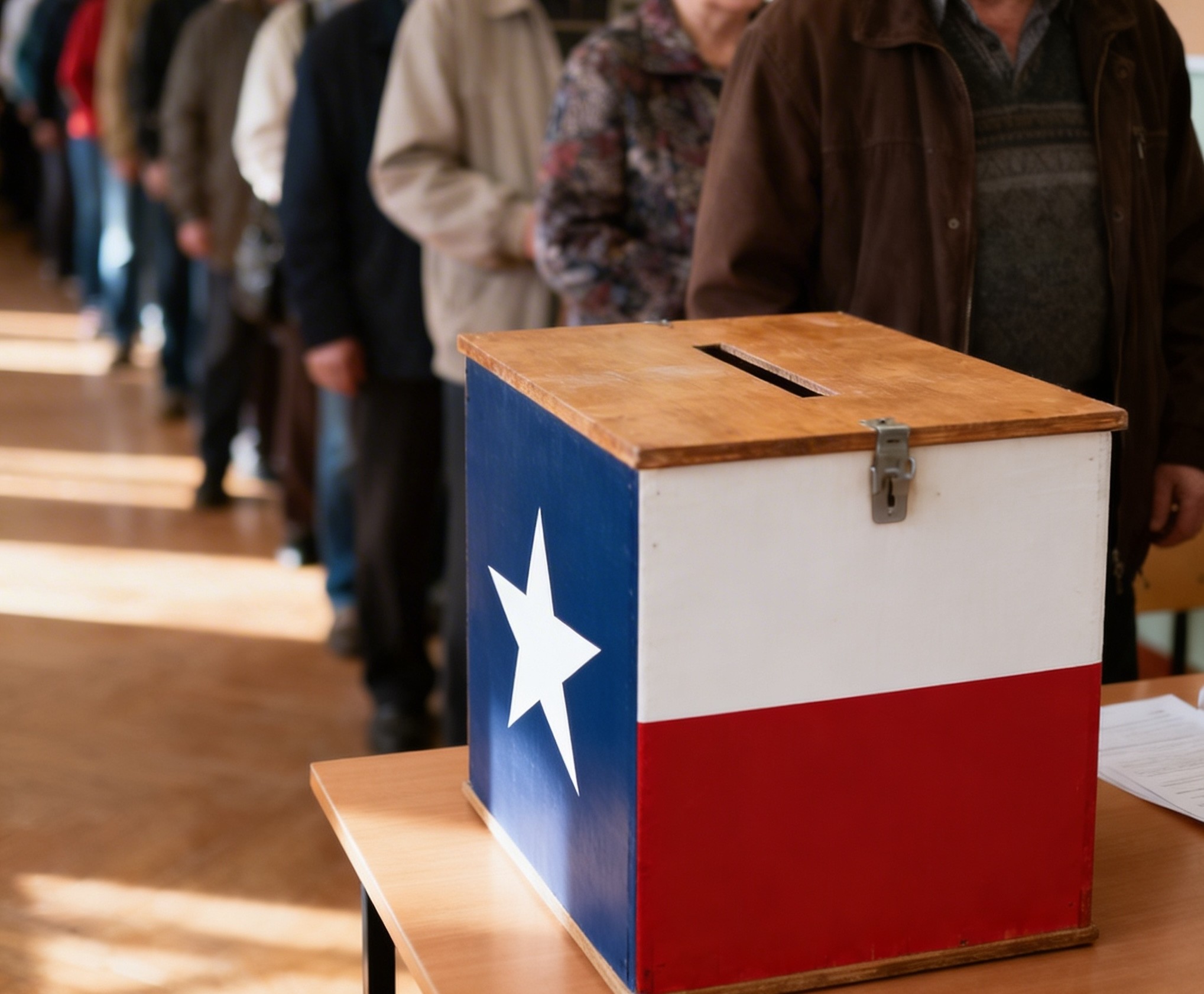
Texas votes today, and everybody is talking about Crockett versus Talarico. We have Talarico winning across all three turnout scenarios — his positive sentiment...
Feb 27, 2026
In 2016, California voters legalized recreational cannabis under Proposition 64 with a straightforward bargain: tax the product...

Feb 24, 2026
When organized criminals steal $250 million from programs meant to feed children, what should journalists call it?
Feb 23, 2026
California’s Solar on Multifamily Affordable Housing program promised to cut electricity bills for low-income renters.
Feb 20, 2026
America’s most celebrated pollster predicted Kamala Harris would carry Iowa by three points.
Mar 16, 2026
Small PR firms spend hours assembling executive media briefs by hand. Rhetor's AI-driven monitoring and narrative forecasting can turn that daily scramble into real-time intelligence clients actually use.
Mar 3, 2026
Texas votes today, and everybody is talking about Crockett versus Talarico. We have Talarico winning across all three turnout scenarios — his positive sentiment...
Feb 27, 2026
In 2016, California voters legalized recreational cannabis under Proposition 64 with a straightforward bargain: tax the product...
Feb 24, 2026
When organized criminals steal $250 million from programs meant to feed children, what should journalists call it?
Feb 23, 2026
California’s Solar on Multifamily Affordable Housing program promised to cut electricity bills for low-income renters.
Feb 20, 2026
America’s most celebrated pollster predicted Kamala Harris would carry Iowa by three points.
Mar 16, 2026
Small PR firms spend hours assembling executive media briefs by hand. Rhetor's AI-driven monitoring and narrative forecasting can turn that daily scramble into real-time intelligence clients actually use.
Mar 3, 2026
Texas votes today, and everybody is talking about Crockett versus Talarico. We have Talarico winning across all three turnout scenarios — his positive sentiment...
Feb 27, 2026
In 2016, California voters legalized recreational cannabis under Proposition 64 with a straightforward bargain: tax the product...
Feb 24, 2026
When organized criminals steal $250 million from programs meant to feed children, what should journalists call it?
Feb 23, 2026
California’s Solar on Multifamily Affordable Housing program promised to cut electricity bills for low-income renters.
Feb 20, 2026
America’s most celebrated pollster predicted Kamala Harris would carry Iowa by three points.
Ready To Shape The Narrative?
" height="151.89999999999986px" id="JQyS1c4YN" width="630.5px"/></svg>)
AI powered tech for campaigns, lobby groups, and advocacy organizations. Get the information edge with speed your opponents can't match.
Copyright © 2026 Rhetor. All rights reserved.
Rhetor® is a Trademark of To The Moon Labs, Inc.
Ready To Shape The Narrative?
AI powered tech for campaigns, lobby groups, and advocacy organizations. Get the information edge with speed your opponents can't match.
Copyright © 2026 Rhetor. All rights reserved.
Rhetor® is a Trademark of To The Moon Labs, Inc.
Ready To Shape The Narrative?
AI powered tech for campaigns, lobby groups, and advocacy organizations. Get the information edge with speed your opponents can't match.
Copyright © 2026 Rhetor. All rights reserved.
Rhetor® is a Trademark of To The Moon Labs, Inc.