Executive Media Reporting Shouldn't Require an Executive-Sized Team
Executive Media Reporting Shouldn't Require an Executive-Sized Team
Executive Media Reporting Shouldn't Require an Executive-Sized Team

The morning executive brief is the single highest-leverage deliverable most PR firms produce — and the one most likely to be assembled by hand at 6 a.m. by whoever drew the short straw. For large agencies with dedicated media analysts, the process is manageable. For a five- or 10-person shop juggling multiple retainers, it is a daily margin killer.
The problem is not effort. It is architecture. Traditional executive media reporting asks small teams to do what enterprise platforms were built for: scan hundreds of sources overnight, separate signal from noise, weight coverage by sentiment and stakeholder relevance, and package the result into something a C-suite reader can act on before their first meeting. According to Cision’s 2025 Comms Report, 43 percent of communications leaders still struggle to convert media data into actionable insights — and that figure skews even higher at smaller firms where one person often owns monitoring, analysis and reporting end to end.
Why the Old Playbook Breaks at Scale
Most small-firm executive reporting follows a predictable loop: pull clips from a monitoring tool, paste them into a template, add a paragraph of context, send. The output looks professional enough, but it answers the wrong question. Executives do not need to know what happened yesterday. They need to know what it means and where it is going.
That shift — from coverage recap to narrative intelligence — is where small firms stall. Cision’s trend analysis found that 84 percent of C-suite leaders now expect deeper strategic counsel from their comms teams, yet 37 percent of those same teams say they cannot measure impact effectively and 36 percent are unsure they even have the right tools to try. The demand is rising. The infrastructure is not keeping pace.
Rhetor Builds the Brief Your Clients Actually Want
Rhetor replaces the manual assembly line with an automated intelligence layer built for the way small firms work. Our platform monitors sentiment shifts across media, social and stakeholder channels in real time, then applies narrative forecasting models that project where a story is headed over the next 24 to 72 hours — not just where it has been.
The practical output is an executive-ready dashboard your clients can see themselves: live sentiment scoring, emerging-theme detection and signal alerts that flag coordinated messaging patterns or anomalous spikes before they become tomorrow’s headlines. No clip-pasting. No 6 a.m. scramble. As Agility PR Solutions notes, the agencies pulling ahead are those delivering briefings that surface critical insights for data-driven decisions on a schedule and format tailored to each stakeholder.
Rhetor delivers that capability white-label and out of the box. Your brand, your client relationship — with analytical firepower that used to require a dedicated analyst bench. According to Worldcom Group’s 2025 AI predictions for PR, fee structures are already shifting toward outcomes over tasks as AI lets agencies focus on high-value strategic services instead of manual production. Firms that automate the reporting layer now will set the pricing standard. Firms that wait will be defending retainers against competitors who already have.
Stop building briefs by hand. Start delivering intelligence. Click here to start the conversation.
The morning executive brief is the single highest-leverage deliverable most PR firms produce — and the one most likely to be assembled by hand at 6 a.m. by whoever drew the short straw. For large agencies with dedicated media analysts, the process is manageable. For a five- or 10-person shop juggling multiple retainers, it is a daily margin killer.
The problem is not effort. It is architecture. Traditional executive media reporting asks small teams to do what enterprise platforms were built for: scan hundreds of sources overnight, separate signal from noise, weight coverage by sentiment and stakeholder relevance, and package the result into something a C-suite reader can act on before their first meeting. According to Cision’s 2025 Comms Report, 43 percent of communications leaders still struggle to convert media data into actionable insights — and that figure skews even higher at smaller firms where one person often owns monitoring, analysis and reporting end to end.
Why the Old Playbook Breaks at Scale
Most small-firm executive reporting follows a predictable loop: pull clips from a monitoring tool, paste them into a template, add a paragraph of context, send. The output looks professional enough, but it answers the wrong question. Executives do not need to know what happened yesterday. They need to know what it means and where it is going.
That shift — from coverage recap to narrative intelligence — is where small firms stall. Cision’s trend analysis found that 84 percent of C-suite leaders now expect deeper strategic counsel from their comms teams, yet 37 percent of those same teams say they cannot measure impact effectively and 36 percent are unsure they even have the right tools to try. The demand is rising. The infrastructure is not keeping pace.
Rhetor Builds the Brief Your Clients Actually Want
Rhetor replaces the manual assembly line with an automated intelligence layer built for the way small firms work. Our platform monitors sentiment shifts across media, social and stakeholder channels in real time, then applies narrative forecasting models that project where a story is headed over the next 24 to 72 hours — not just where it has been.
The practical output is an executive-ready dashboard your clients can see themselves: live sentiment scoring, emerging-theme detection and signal alerts that flag coordinated messaging patterns or anomalous spikes before they become tomorrow’s headlines. No clip-pasting. No 6 a.m. scramble. As Agility PR Solutions notes, the agencies pulling ahead are those delivering briefings that surface critical insights for data-driven decisions on a schedule and format tailored to each stakeholder.
Rhetor delivers that capability white-label and out of the box. Your brand, your client relationship — with analytical firepower that used to require a dedicated analyst bench. According to Worldcom Group’s 2025 AI predictions for PR, fee structures are already shifting toward outcomes over tasks as AI lets agencies focus on high-value strategic services instead of manual production. Firms that automate the reporting layer now will set the pricing standard. Firms that wait will be defending retainers against competitors who already have.
Stop building briefs by hand. Start delivering intelligence. Click here to start the conversation.
Category
Written by

Director of Communications
Category
Written by
Director of Communications
Category
Written by
Director of Communications
Blog and articles
Latest insights and trends
Blog and articles
Latest insights and trends
Mar 16, 2026
Small PR firms spend hours assembling executive media briefs by hand. Rhetor's AI-driven monitoring and narrative forecasting can turn that daily scramble into real-time intelligence clients actually use.
Mar 3, 2026
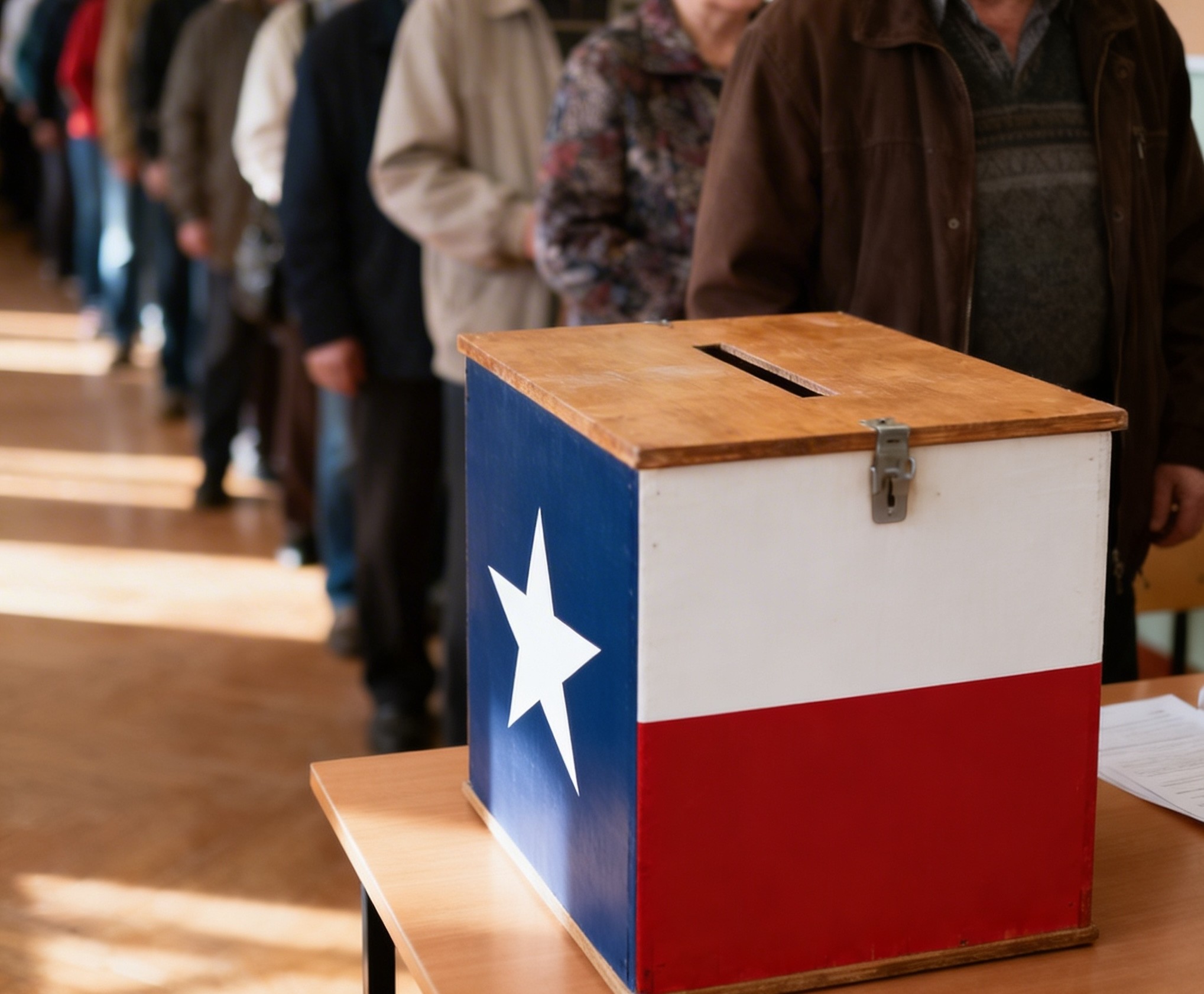
Texas votes today, and everybody is talking about Crockett versus Talarico. We have Talarico winning across all three turnout scenarios — his positive sentiment...

Feb 27, 2026
In 2016, California voters legalized recreational cannabis under Proposition 64 with a straightforward bargain: tax the product...

Feb 24, 2026
When organized criminals steal $250 million from programs meant to feed children, what should journalists call it?

Feb 23, 2026
California’s Solar on Multifamily Affordable Housing program promised to cut electricity bills for low-income renters.

Feb 20, 2026
America’s most celebrated pollster predicted Kamala Harris would carry Iowa by three points.
Mar 16, 2026
Small PR firms spend hours assembling executive media briefs by hand. Rhetor's AI-driven monitoring and narrative forecasting can turn that daily scramble into real-time intelligence clients actually use.
Mar 3, 2026
Texas votes today, and everybody is talking about Crockett versus Talarico. We have Talarico winning across all three turnout scenarios — his positive sentiment...
Feb 27, 2026
In 2016, California voters legalized recreational cannabis under Proposition 64 with a straightforward bargain: tax the product...
Feb 24, 2026
When organized criminals steal $250 million from programs meant to feed children, what should journalists call it?
Feb 23, 2026
California’s Solar on Multifamily Affordable Housing program promised to cut electricity bills for low-income renters.
Feb 20, 2026
America’s most celebrated pollster predicted Kamala Harris would carry Iowa by three points.
Mar 16, 2026
Small PR firms spend hours assembling executive media briefs by hand. Rhetor's AI-driven monitoring and narrative forecasting can turn that daily scramble into real-time intelligence clients actually use.
Mar 3, 2026
Texas votes today, and everybody is talking about Crockett versus Talarico. We have Talarico winning across all three turnout scenarios — his positive sentiment...
Feb 27, 2026
In 2016, California voters legalized recreational cannabis under Proposition 64 with a straightforward bargain: tax the product...
Feb 24, 2026
When organized criminals steal $250 million from programs meant to feed children, what should journalists call it?
Feb 23, 2026
California’s Solar on Multifamily Affordable Housing program promised to cut electricity bills for low-income renters.
Feb 20, 2026
America’s most celebrated pollster predicted Kamala Harris would carry Iowa by three points.
Ready To Shape The Narrative?
" height="151.89999999999986px" id="JQyS1c4YN" width="630.5px"/></svg>)
AI powered tech for campaigns, lobby groups, and advocacy organizations. Get the information edge with speed your opponents can't match.
Copyright © 2026 Rhetor. All rights reserved.
Rhetor® is a Trademark of To The Moon Labs, Inc.
Ready To Shape The Narrative?
AI powered tech for campaigns, lobby groups, and advocacy organizations. Get the information edge with speed your opponents can't match.
Copyright © 2026 Rhetor. All rights reserved.
Rhetor® is a Trademark of To The Moon Labs, Inc.
Ready To Shape The Narrative?
AI powered tech for campaigns, lobby groups, and advocacy organizations. Get the information edge with speed your opponents can't match.
Copyright © 2026 Rhetor. All rights reserved.
Rhetor® is a Trademark of To The Moon Labs, Inc.