The framing gap: Why legacy media's fraud coverage is losing public trust
The framing gap: Why legacy media's fraud coverage is losing public trust
The framing gap: Why legacy media's fraud coverage is losing public trust
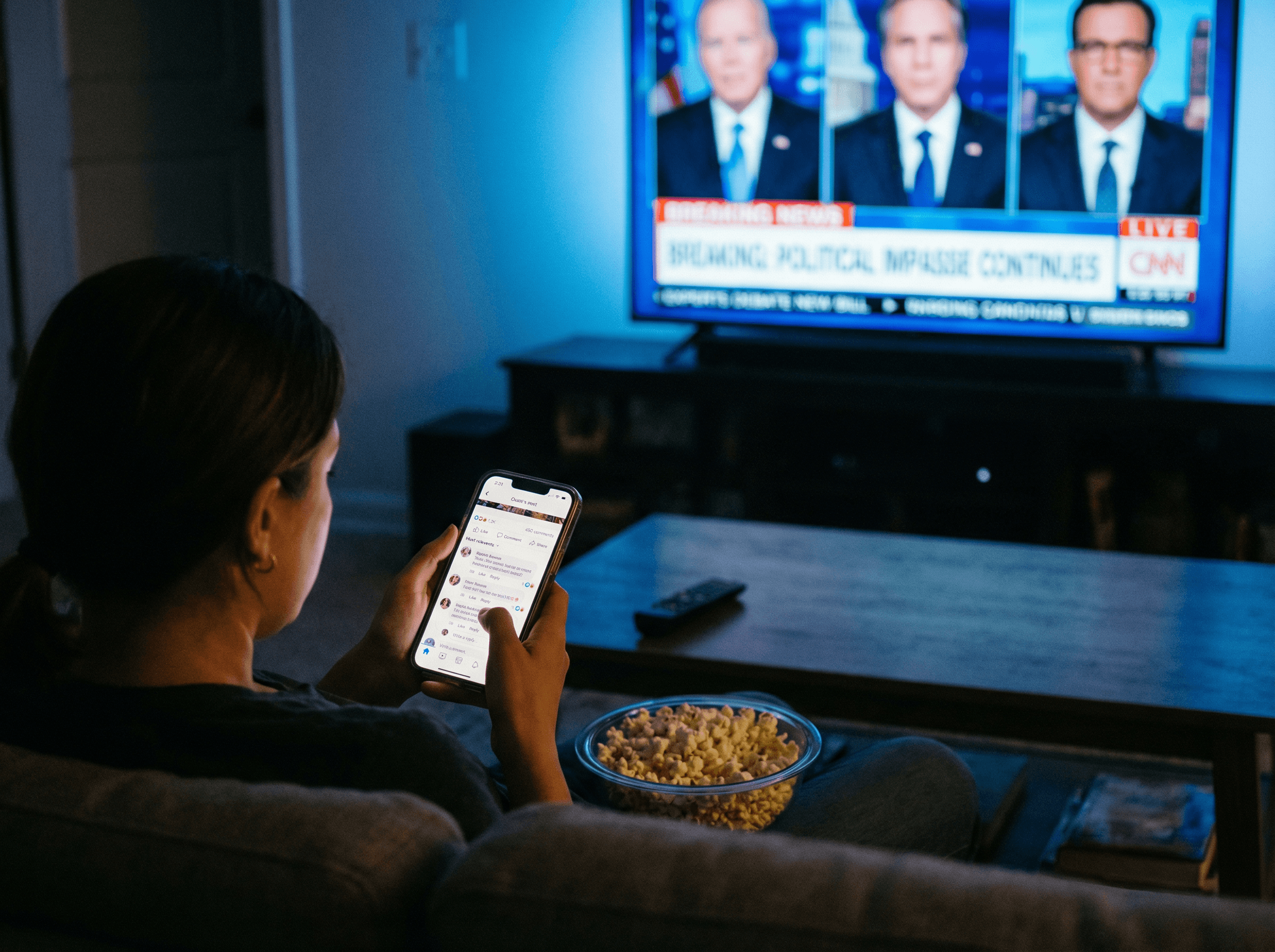
When organized criminals steal $250 million from programs meant to feed children, what should journalists call it? According to Rhetor's latest policy intelligence analysis, the answer depends on whether you're reading legacy media or social media — and that gap is driving a credibility collapse.
The data is unambiguous. Public sentiment toward media coverage of government fraud registers deeply negative with falling momentum. The top negative sentiment drivers are "media downplays, minimizes, or distracts from fraud," "media frames fraud as administrative error," and "selective or biased reporting."
The public is not merely dissatisfied with coverage volume. They object to the fundamental framing that transforms criminal theft into bureaucratic mishap.
The language of minimization
Consider the vocabulary commonly deployed in legacy coverage of fraud scandals. "Oversight failures." "Program vulnerabilities." "Administrative breakdowns." "Mismanagement." These terms share a common feature: they suggest systemic problems requiring procedural fixes rather than criminal conduct requiring prosecution.
The Feeding Our Future scandal offers instructive examples. The scheme involved fake invoices, fabricated attendance records, shell companies, kickbacks and money laundering. Prosecutors described it as "the largest pandemic-related fraud scheme" in the nation. Yet coverage frequently emphasized what state agencies failed to do rather than what criminals chose to do.
The framing distinction matters. When fraud is presented as administrative failure, the implied solution is administrative reform. When fraud is presented as organized crime, the implied solution is criminal prosecution. Rhetor's data shows the public overwhelmingly prefers the latter framing — and views media that avoid it with suspicion.
The social media alternative
While legacy outlets face credibility challenges, social media and citizen journalism are gaining prominence as fraud watchdogs. Rhetor's analysis notes that "social media and citizen journalism expose fraud quickly" ranks among the top positive sentiment drivers in media discourse.
The Minnesota case demonstrates the dynamic. Local journalists had covered Feeding Our Future for years. Investigative reports documented the scheme's mechanics and its expansion. Yet the story did not achieve sustained national attention until Nick Shirley's viral video generated 100 million+ views and prompted federal action.
As CBS News acknowledged, traditional outlets had been covering Minnesota fraud "for years." The difference was not information — it was distribution and framing. Social media content that explicitly labeled fraud as crime, named perpetrators and demanded prosecution achieved what years of institutional coverage had not.
Strategic implications
The sentiment data points toward clear conclusions. First, media organizations that want to maintain fraud coverage credibility must adopt crime-focused framing that matches public perception. Administrative language alienates rather than informs.
Second, accountability-focused organizations should recognize that media gatekeepers no longer control the narrative. Social media distribution can amplify fraud exposure faster and more effectively than traditional coverage when that coverage is perceived as minimizing.
Third, the gap between institutional coverage and public perception represents an opportunity for outlets willing to combine rigorous verification with direct framing. The audience exists. The question is whether established institutions will serve it — or cede the ground entirely.
The public has made its preferences clear. When billions are stolen from programs meant to serve vulnerable populations, they want media to call it what it is: crime. Outlets that continue framing organized theft as bureaucratic mishap will continue losing credibility to alternatives willing to tell the story straight.
When organized criminals steal $250 million from programs meant to feed children, what should journalists call it? According to Rhetor's latest policy intelligence analysis, the answer depends on whether you're reading legacy media or social media — and that gap is driving a credibility collapse.
The data is unambiguous. Public sentiment toward media coverage of government fraud registers deeply negative with falling momentum. The top negative sentiment drivers are "media downplays, minimizes, or distracts from fraud," "media frames fraud as administrative error," and "selective or biased reporting."
The public is not merely dissatisfied with coverage volume. They object to the fundamental framing that transforms criminal theft into bureaucratic mishap.
The language of minimization
Consider the vocabulary commonly deployed in legacy coverage of fraud scandals. "Oversight failures." "Program vulnerabilities." "Administrative breakdowns." "Mismanagement." These terms share a common feature: they suggest systemic problems requiring procedural fixes rather than criminal conduct requiring prosecution.
The Feeding Our Future scandal offers instructive examples. The scheme involved fake invoices, fabricated attendance records, shell companies, kickbacks and money laundering. Prosecutors described it as "the largest pandemic-related fraud scheme" in the nation. Yet coverage frequently emphasized what state agencies failed to do rather than what criminals chose to do.
The framing distinction matters. When fraud is presented as administrative failure, the implied solution is administrative reform. When fraud is presented as organized crime, the implied solution is criminal prosecution. Rhetor's data shows the public overwhelmingly prefers the latter framing — and views media that avoid it with suspicion.
The social media alternative
While legacy outlets face credibility challenges, social media and citizen journalism are gaining prominence as fraud watchdogs. Rhetor's analysis notes that "social media and citizen journalism expose fraud quickly" ranks among the top positive sentiment drivers in media discourse.
The Minnesota case demonstrates the dynamic. Local journalists had covered Feeding Our Future for years. Investigative reports documented the scheme's mechanics and its expansion. Yet the story did not achieve sustained national attention until Nick Shirley's viral video generated 100 million+ views and prompted federal action.
As CBS News acknowledged, traditional outlets had been covering Minnesota fraud "for years." The difference was not information — it was distribution and framing. Social media content that explicitly labeled fraud as crime, named perpetrators and demanded prosecution achieved what years of institutional coverage had not.
Strategic implications
The sentiment data points toward clear conclusions. First, media organizations that want to maintain fraud coverage credibility must adopt crime-focused framing that matches public perception. Administrative language alienates rather than informs.
Second, accountability-focused organizations should recognize that media gatekeepers no longer control the narrative. Social media distribution can amplify fraud exposure faster and more effectively than traditional coverage when that coverage is perceived as minimizing.
Third, the gap between institutional coverage and public perception represents an opportunity for outlets willing to combine rigorous verification with direct framing. The audience exists. The question is whether established institutions will serve it — or cede the ground entirely.
The public has made its preferences clear. When billions are stolen from programs meant to serve vulnerable populations, they want media to call it what it is: crime. Outlets that continue framing organized theft as bureaucratic mishap will continue losing credibility to alternatives willing to tell the story straight.
Category
Written by

Director of Communications
Category
Written by
Director of Communications
Category
Written by
Director of Communications
Blog and articles
Latest insights and trends
Blog and articles
Latest insights and trends

Mar 16, 2026
Small PR firms spend hours assembling executive media briefs by hand. Rhetor's AI-driven monitoring and narrative forecasting can turn that daily scramble into real-time intelligence clients actually use.
Mar 3, 2026
Texas votes today, and everybody is talking about Crockett versus Talarico. We have Talarico winning across all three turnout scenarios — his positive sentiment...

Feb 27, 2026
In 2016, California voters legalized recreational cannabis under Proposition 64 with a straightforward bargain: tax the product...
Feb 24, 2026
When organized criminals steal $250 million from programs meant to feed children, what should journalists call it?

Feb 23, 2026
California’s Solar on Multifamily Affordable Housing program promised to cut electricity bills for low-income renters.

Feb 20, 2026
America’s most celebrated pollster predicted Kamala Harris would carry Iowa by three points.
Mar 16, 2026
Small PR firms spend hours assembling executive media briefs by hand. Rhetor's AI-driven monitoring and narrative forecasting can turn that daily scramble into real-time intelligence clients actually use.
Mar 3, 2026
Texas votes today, and everybody is talking about Crockett versus Talarico. We have Talarico winning across all three turnout scenarios — his positive sentiment...
Feb 27, 2026
In 2016, California voters legalized recreational cannabis under Proposition 64 with a straightforward bargain: tax the product...
Feb 24, 2026
When organized criminals steal $250 million from programs meant to feed children, what should journalists call it?
Feb 23, 2026
California’s Solar on Multifamily Affordable Housing program promised to cut electricity bills for low-income renters.
Feb 20, 2026
America’s most celebrated pollster predicted Kamala Harris would carry Iowa by three points.
Mar 16, 2026
Small PR firms spend hours assembling executive media briefs by hand. Rhetor's AI-driven monitoring and narrative forecasting can turn that daily scramble into real-time intelligence clients actually use.
Mar 3, 2026
Texas votes today, and everybody is talking about Crockett versus Talarico. We have Talarico winning across all three turnout scenarios — his positive sentiment...
Feb 27, 2026
In 2016, California voters legalized recreational cannabis under Proposition 64 with a straightforward bargain: tax the product...
Feb 24, 2026
When organized criminals steal $250 million from programs meant to feed children, what should journalists call it?
Feb 23, 2026
California’s Solar on Multifamily Affordable Housing program promised to cut electricity bills for low-income renters.
Feb 20, 2026
America’s most celebrated pollster predicted Kamala Harris would carry Iowa by three points.
Ready To Shape The Narrative?
" height="151.89999999999986px" id="JQyS1c4YN" width="630.5px"/></svg>)
AI powered tech for campaigns, lobby groups, and advocacy organizations. Get the information edge with speed your opponents can't match.
Copyright © 2026 Rhetor. All rights reserved.
Rhetor® is a Trademark of To The Moon Labs, Inc.
Ready To Shape The Narrative?
AI powered tech for campaigns, lobby groups, and advocacy organizations. Get the information edge with speed your opponents can't match.
Copyright © 2026 Rhetor. All rights reserved.
Rhetor® is a Trademark of To The Moon Labs, Inc.
Ready To Shape The Narrative?
AI powered tech for campaigns, lobby groups, and advocacy organizations. Get the information edge with speed your opponents can't match.
Copyright © 2026 Rhetor. All rights reserved.
Rhetor® is a Trademark of To The Moon Labs, Inc.