How Rhetor uncovered $370 Million fraudulent drug prevention drugs in California
How Rhetor uncovered $370 Million fraudulent drug prevention drugs in California
How Rhetor uncovered $370 Million fraudulent drug prevention drugs in California

In 2016, California voters legalized recreational cannabis under Proposition 64 with a straightforward bargain: tax the product, fund youth substance abuse prevention with the proceeds. The state collected $370.25 million for that purpose. Rhetor’s AI went looking for the prevention programs. What it found instead was a political organizing machine.
Follow the Intermediary
California’s Department of Health Care Services doesn’t send Prop 64 money to the organizations that serve kids. It routes the entire sum through a single fiscal intermediary — The Center at Sierra Health Foundation — which skims 15 to 20 percent off the top in administrative fees before deciding which community groups receive grants. For context, The Center charges private philanthropic clients 9 percent for the same service. Taxpayers pay double.
The Center’s growth tells you everything about what this arrangement is worth. Its revenue surged from $11.8 million in 2018 to $197 million by 2024, with 96.5 percent flowing from government contracts. Its CEO’s pay climbed 50 percent over the same window. When a nonprofit’s fortunes rise and fall with a single revenue source, the incentive isn’t accountability — it’s preservation.
Read the Applications
The clearest evidence requires no AI at all. Just read the grant criteria.
Elevate Youth California, the flagship program bankrolled entirely by Prop 64 dollars, awards funding based on “social justice youth development” and “civic engagement.” Neither phrase appears anywhere in the statutory language voters actually approved. Sacramento quietly redefined “prevention” to encompass political activism, then buried the redefinition inside an intermediary’s application forms.
The individual awards confirm the pattern. The Jakara Movement collected $1.8 million for “Sikh youth empowerment and prevention” — activities include voter registration drives, officially categorized as substance abuse prevention. Pacific Clinics took $1 million to “mobilize people to achieve change.” United Way of Santa Cruz County received $834,075 for programming centered on “activism.”
At $4,126 per participant across 89,727 young people, Elevate Youth charges what a clinical treatment bed costs — for leadership seminars and community organizing workshops.
Why Nobody Caught It
The money wasn’t concentrated. It was scattered across 517 separate grants averaging $716,150 apiece — each one small enough to avoid triggering intensive audit review. No single state auditor sees the full picture because The Center, not the state, manages the sub-granting. The fragmentation isn’t a bug. It’s the architecture.
Rhetor’s AI, deployed through our CalDOGE partnership, analyzed RFA language, award descriptions, cost-per-participant figures and outcome reporting across all 517 grants at once. What emerged was unmistakable: a systematic relabeling of political organizing as public health spending, repeated across hundreds of awards in the same portfolio.
Every document is public. The pattern only becomes visible at scale — exactly the problem AI was built to solve.
In 2016, California voters legalized recreational cannabis under Proposition 64 with a straightforward bargain: tax the product, fund youth substance abuse prevention with the proceeds. The state collected $370.25 million for that purpose. Rhetor’s AI went looking for the prevention programs. What it found instead was a political organizing machine.
Follow the Intermediary
California’s Department of Health Care Services doesn’t send Prop 64 money to the organizations that serve kids. It routes the entire sum through a single fiscal intermediary — The Center at Sierra Health Foundation — which skims 15 to 20 percent off the top in administrative fees before deciding which community groups receive grants. For context, The Center charges private philanthropic clients 9 percent for the same service. Taxpayers pay double.
The Center’s growth tells you everything about what this arrangement is worth. Its revenue surged from $11.8 million in 2018 to $197 million by 2024, with 96.5 percent flowing from government contracts. Its CEO’s pay climbed 50 percent over the same window. When a nonprofit’s fortunes rise and fall with a single revenue source, the incentive isn’t accountability — it’s preservation.
Read the Applications
The clearest evidence requires no AI at all. Just read the grant criteria.
Elevate Youth California, the flagship program bankrolled entirely by Prop 64 dollars, awards funding based on “social justice youth development” and “civic engagement.” Neither phrase appears anywhere in the statutory language voters actually approved. Sacramento quietly redefined “prevention” to encompass political activism, then buried the redefinition inside an intermediary’s application forms.
The individual awards confirm the pattern. The Jakara Movement collected $1.8 million for “Sikh youth empowerment and prevention” — activities include voter registration drives, officially categorized as substance abuse prevention. Pacific Clinics took $1 million to “mobilize people to achieve change.” United Way of Santa Cruz County received $834,075 for programming centered on “activism.”
At $4,126 per participant across 89,727 young people, Elevate Youth charges what a clinical treatment bed costs — for leadership seminars and community organizing workshops.
Why Nobody Caught It
The money wasn’t concentrated. It was scattered across 517 separate grants averaging $716,150 apiece — each one small enough to avoid triggering intensive audit review. No single state auditor sees the full picture because The Center, not the state, manages the sub-granting. The fragmentation isn’t a bug. It’s the architecture.
Rhetor’s AI, deployed through our CalDOGE partnership, analyzed RFA language, award descriptions, cost-per-participant figures and outcome reporting across all 517 grants at once. What emerged was unmistakable: a systematic relabeling of political organizing as public health spending, repeated across hundreds of awards in the same portfolio.
Every document is public. The pattern only becomes visible at scale — exactly the problem AI was built to solve.
Category
Written by

Director of Communications
Category
Written by
Director of Communications
Category
Written by
Director of Communications
Blog and articles
Latest insights and trends
Blog and articles
Latest insights and trends

Mar 16, 2026
Small PR firms spend hours assembling executive media briefs by hand. Rhetor's AI-driven monitoring and narrative forecasting can turn that daily scramble into real-time intelligence clients actually use.
Mar 3, 2026
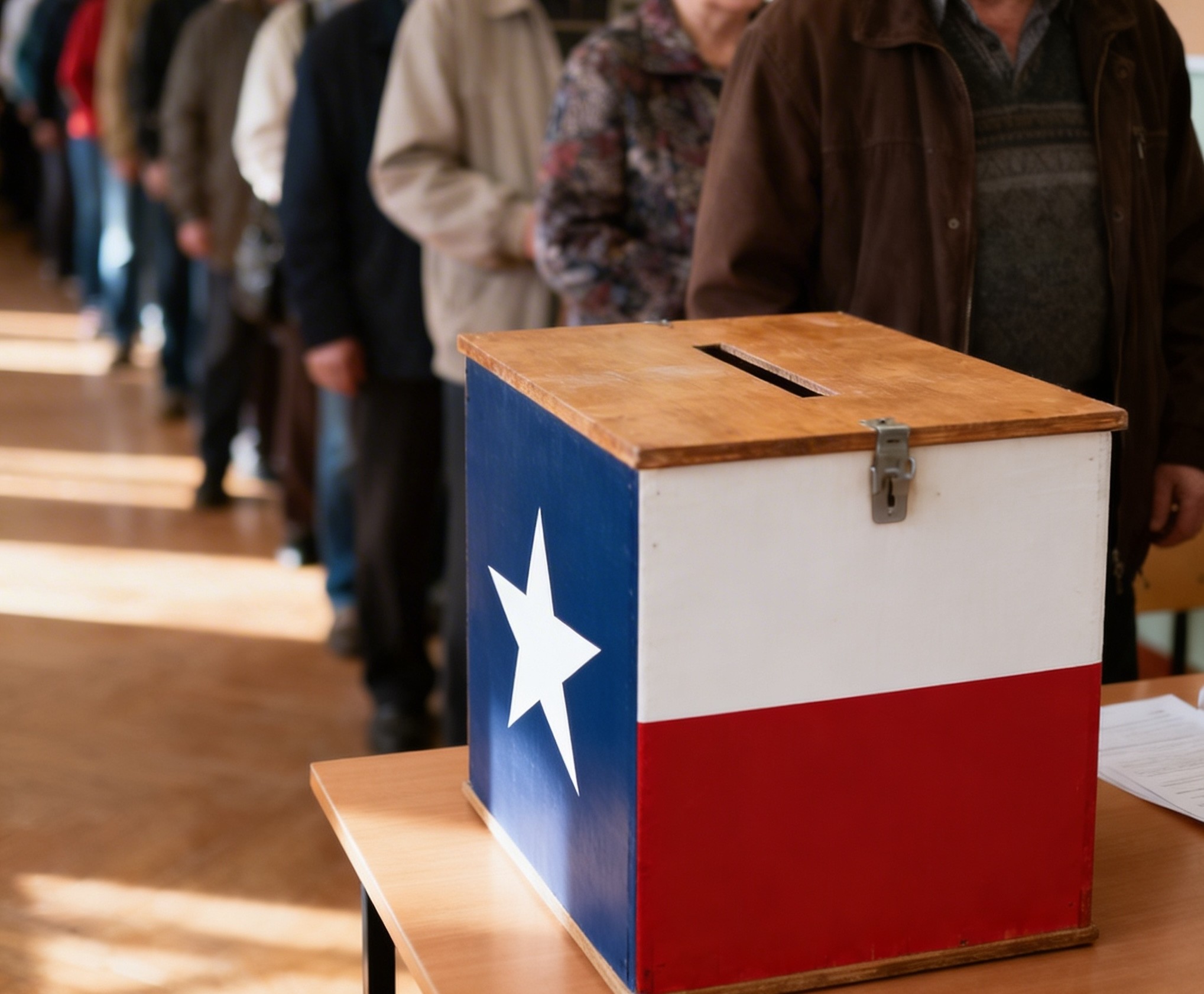
Texas votes today, and everybody is talking about Crockett versus Talarico. We have Talarico winning across all three turnout scenarios — his positive sentiment...
Feb 27, 2026
In 2016, California voters legalized recreational cannabis under Proposition 64 with a straightforward bargain: tax the product...

Feb 24, 2026
When organized criminals steal $250 million from programs meant to feed children, what should journalists call it?

Feb 23, 2026
California’s Solar on Multifamily Affordable Housing program promised to cut electricity bills for low-income renters.

Feb 20, 2026
America’s most celebrated pollster predicted Kamala Harris would carry Iowa by three points.
Mar 16, 2026
Small PR firms spend hours assembling executive media briefs by hand. Rhetor's AI-driven monitoring and narrative forecasting can turn that daily scramble into real-time intelligence clients actually use.
Mar 3, 2026
Texas votes today, and everybody is talking about Crockett versus Talarico. We have Talarico winning across all three turnout scenarios — his positive sentiment...
Feb 27, 2026
In 2016, California voters legalized recreational cannabis under Proposition 64 with a straightforward bargain: tax the product...
Feb 24, 2026
When organized criminals steal $250 million from programs meant to feed children, what should journalists call it?
Feb 23, 2026
California’s Solar on Multifamily Affordable Housing program promised to cut electricity bills for low-income renters.
Feb 20, 2026
America’s most celebrated pollster predicted Kamala Harris would carry Iowa by three points.
Mar 16, 2026
Small PR firms spend hours assembling executive media briefs by hand. Rhetor's AI-driven monitoring and narrative forecasting can turn that daily scramble into real-time intelligence clients actually use.
Mar 3, 2026
Texas votes today, and everybody is talking about Crockett versus Talarico. We have Talarico winning across all three turnout scenarios — his positive sentiment...
Feb 27, 2026
In 2016, California voters legalized recreational cannabis under Proposition 64 with a straightforward bargain: tax the product...
Feb 24, 2026
When organized criminals steal $250 million from programs meant to feed children, what should journalists call it?
Feb 23, 2026
California’s Solar on Multifamily Affordable Housing program promised to cut electricity bills for low-income renters.
Feb 20, 2026
America’s most celebrated pollster predicted Kamala Harris would carry Iowa by three points.
Ready To Shape The Narrative?
" height="151.89999999999986px" id="JQyS1c4YN" width="630.5px"/></svg>)
AI powered tech for campaigns, lobby groups, and advocacy organizations. Get the information edge with speed your opponents can't match.
Copyright © 2026 Rhetor. All rights reserved.
Rhetor® is a Trademark of To The Moon Labs, Inc.
Ready To Shape The Narrative?
AI powered tech for campaigns, lobby groups, and advocacy organizations. Get the information edge with speed your opponents can't match.
Copyright © 2026 Rhetor. All rights reserved.
Rhetor® is a Trademark of To The Moon Labs, Inc.
Ready To Shape The Narrative?
AI powered tech for campaigns, lobby groups, and advocacy organizations. Get the information edge with speed your opponents can't match.
Copyright © 2026 Rhetor. All rights reserved.
Rhetor® is a Trademark of To The Moon Labs, Inc.